Photography enthusiasts and casual smartphone users alike often find themselves asking: do megapixels really determine image quality? Camera manufacturers and marketers love to tout ever-rising megapixel counts, suggesting that more is always better. But the truth behind image quality is more nuanced. While megapixels play a role in the clarity and detail of your photos, they are far from the only factor—and, in some cases, they might even be irrelevant. This article dives deep into what megapixels actually mean, how they interact with other camera features, and what you should consider when evaluating image quality.
Understanding Megapixels: What Do They Actually Measure?
A megapixel is simply one million pixels, the tiny dots that make up a digital image. When you see a camera advertised as having 12MP or 50MP, it means the camera sensor is capable of capturing images made of 12 or 50 million pixels, respectively. In technical terms, a 4000 x 3000-pixel image is 12MP (because 4000 multiplied by 3000 equals 12 million).
But what does this mean for your photos? In practice, a higher megapixel count allows you to print photos at larger sizes or crop them more aggressively without losing detail. For example, a 12MP image can create a sharp 8"x10" print at 300 DPI (dots per inch), which is the standard for high-quality photo prints. However, most people view images on screens, where even 4K monitors only display about 8.3MP.
Sensor Size vs. Megapixels: The Crucial Difference
One of the most overlooked aspects of image quality is sensor size. The sensor is the physical component inside the camera that captures light. Larger sensors gather more light, resulting in better performance in low-light conditions, improved dynamic range, and less image noise.
A 12MP image from a full-frame DSLR (sensor size: 36 x 24mm) will almost always look better than a 48MP image from a smartphone (sensor size: about 6 x 4mm). This is because larger pixels on a bigger sensor can capture more light, leading to richer colors and greater detail.
Here’s a comparison table illustrating how sensor size affects image quality, even at the same megapixel count:
| Camera Type | Sensor Size | Megapixels | Low-Light Performance | Dynamic Range |
|---|---|---|---|---|
| Full-frame DSLR | 36 x 24mm | 24MP | Excellent | Wide |
| APS-C Mirrorless | 23.5 x 15.6mm | 24MP | Very Good | Good |
| Smartphone | 6 x 4mm | 24MP | Poor | Limited |
As shown, megapixels alone don't tell the whole story; sensor size can have a much bigger impact on the overall image quality.
Other Key Factors Influencing Image Quality
While megapixels and sensor size are important, they're still only part of the equation. Let’s look at several other crucial elements:
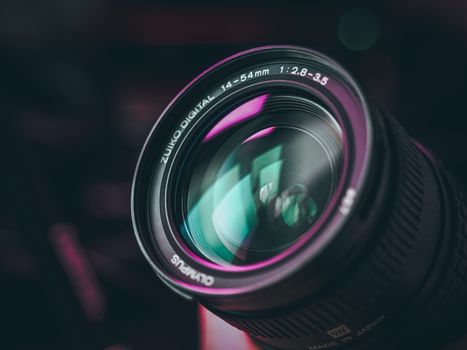
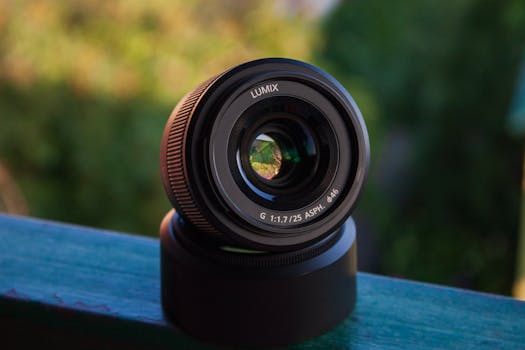
Lens Quality: The sharpness and clarity of a photo depend heavily on the lens. A high-megapixel sensor paired with a poor lens will still produce blurry or distorted images.
Image Processing: Modern cameras and smartphones use sophisticated algorithms to process images. Noise reduction, color correction, and sharpening all play roles in determining the final image quality. For example, Apple’s Deep Fusion and Google’s computational photography significantly enhance smartphone photos, even with modest sensor sizes and megapixel counts.
ISO Performance: ISO refers to the sensor's sensitivity to light. Cameras with higher-quality sensors can shoot at higher ISO levels with less noise, resulting in cleaner images in low light.
Autofocus and Stabilization: Fast, accurate autofocus and optical image stabilization both contribute to sharper photos, especially in challenging conditions.
Dynamic Range: This measures how well a camera can capture details in both the brightest and darkest parts of an image. Cameras with better dynamic range deliver more lifelike and detailed photos.
When Do Megapixels Matter Most?
Despite all these other factors, there are situations where megapixels do make a real difference:
Large Prints: If you regularly print photos at poster size or larger (for example, 24"x36"), a higher megapixel count ensures the image remains sharp and detailed.
Heavy Cropping: Photographers who need to crop photos heavily—such as wildlife or sports photographers—benefit from more megapixels, as it allows them to zoom in digitally without losing quality.
Professional Applications: Certain fields, like commercial advertising or fine art photography, may demand extremely high-resolution images for detailed editing or massive displays.
However, for most uses—such as sharing photos online or printing standard-sized images—12-20 megapixels are more than sufficient. In fact, the average social media platform compresses images well below their original resolution, making ultra-high megapixel counts largely irrelevant for everyday sharing.
Common Myths and Marketing Tactics Around Megapixels
The camera industry has long promoted the idea that more megapixels equal better images. This has led to some persistent myths:
Myth 1: More Megapixels = Better Photos Reality: As we've seen, other factors like sensor size, lens quality, and processing are often more important.
Myth 2: Smartphones with 108MP Cameras Outperform DSLRs Reality: Many budget smartphones now advertise 48MP, 64MP, or even 108MP sensors. However, due to their tiny sensor sizes, the real-world image quality rarely matches that of even entry-level DSLRs with much lower megapixel counts.
Myth 3: Old Cameras Are Obsolete Due to Low Megapixels Reality: Classic professional cameras from a decade ago, such as the Nikon D3 (12MP, full-frame), still produce stunning images that hold up today, especially when paired with great lenses.
A 2023 study by DxOMark found that several 12MP smartphone cameras outperformed 48MP models in low-light and real-world photography scenarios, due to better sensor architecture and image processing.
Choosing the Right Camera: What Should You Look For?
If you're shopping for a camera or smartphone and want the best image quality, here’s what to prioritize:
1. Sensor Size: Aim for the largest sensor you can afford. For smartphones, look for models with improved sensor technology and larger pixel sizes (measured in microns). 2. Lens Quality: Research lens sharpness and optical characteristics, especially if you're buying a camera with interchangeable lenses. 3. Image Processing: Read reviews and look for sample images. Modern image processing can make a significant difference, especially in smartphones. 4. Megapixel Count: Consider your needs. If you rarely print larger than 8"x10" or crop heavily, 12-20MP is more than enough. 5. Extra Features: Autofocus speed, stabilization, dynamic range, and ISO performance all contribute to real-world image quality.Here’s a quick summary comparing ideal camera specs for different uses:
| Use Case | Ideal Megapixels | Sensor Size | Key Features to Prioritize |
|---|---|---|---|
| Social Media Sharing | 12-16MP | Any | Good processing, stabilization |
| Family Events & Albums | 16-24MP | APS-C or larger | Autofocus, low-light performance |
| Professional Photography | 24MP and up | Full-frame or medium format | Dynamic range, lens quality |
| Large Prints / Cropping | 30MP and up | Full-frame or larger | Resolution, lens sharpness |
Final Thoughts on Megapixels and Image Quality
While megapixels are an important specification, they are not the sole determinant of image quality. For most people, chasing ever-higher megapixel counts offers diminishing returns. The intricate balance of sensor size, lens quality, processing, and camera features plays a much bigger role in how your images look and feel. Understanding this balance helps you make smarter decisions, whether you’re buying your next smartphone or upgrading your camera kit. Remember: a 12MP photo from a high-quality camera will usually look far better than a 48MP snap from a budget device.