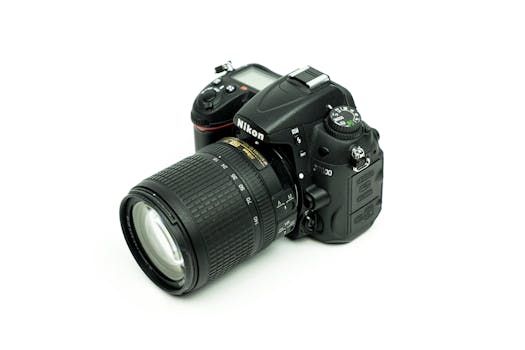
Smartphone cameras have become increasingly powerful, touting ever-higher megapixel counts that rival and sometimes surpass those found in dedicated DSLR cameras. Ads boast of 48MP, 64MP, even 200MP mobile sensors, making it easy to assume that today’s phones are outpacing traditional cameras. But is more always better? How do megapixels in mobile phones truly compare to those in DSLRs? The answer reveals a fascinating story about sensor size, image processing, and the real-world meaning of megapixels in your photography.
Understanding Megapixels: More Than Just a Number
A megapixel represents one million pixels, the tiny dots that make up a digital photograph. In theory, more megapixels mean more detail and the ability to print larger photos or crop images without losing quality. For example, a 12MP image contains 12 million pixels, while a 48MP image boasts 48 million. However, megapixels alone do not determine image quality. The size of each pixel, the camera’s sensor, and the image processing pipeline all play crucial roles.
In 2023, the global average for smartphone main camera resolution reached 50MP, while most entry-level and mid-range DSLRs still offer 18MP to 24MP sensors. Some professional DSLRs and mirrorless cameras, like the Canon EOS 5DS or Sony A7R IV, push beyond 40MP. However, the real difference lies not just in the raw number, but in how those pixels are captured and processed.
Sensor Size: The Key Difference Between Phones and DSLRs
One of the most critical distinctions between mobile and DSLR cameras is sensor size. The sensor is the physical component that captures light and converts it into a digital image. Larger sensors can gather more light, leading to better image quality, especially in challenging lighting conditions.
Let’s compare the typical sensor sizes:
| Device Type | Average Sensor Size | Example Model | Common Megapixel Count |
|---|---|---|---|
| Smartphone | 1/2.55" (~5.6 x 4.2mm) | Samsung Galaxy S23 Ultra | 200MP |
| Entry-Level DSLR | APS-C (~22.3 x 14.9mm) | Canon EOS Rebel T7 | 24MP |
| Full-Frame DSLR | Full-Frame (36 x 24mm) | Nikon D850 | 45.7MP |
A full-frame DSLR sensor is about 30 times larger in area than a typical smartphone sensor. This size difference means each pixel (photosite) on a DSLR sensor is much larger, allowing it to collect more light and produce cleaner, more detailed images—especially in low light.
Pixel Size and Image Quality: Why Bigger Is Often Better
Even if a smartphone boasts a 200MP sensor, the tiny size of its sensor means each pixel is microscopic. In comparison, a 24MP DSLR sensor spreads those pixels over a much larger area. This results in larger individual pixels, which are better at capturing light and color information.
For example, the Sony IMX989 1-inch sensor in some flagship phones has a pixel size of 1.6μm (micrometers), while the Nikon D850’s full-frame sensor has a pixel size of about 4.35μm. The larger pixels in DSLRs reduce noise, improve dynamic range, and enhance color accuracy, especially in dim environments.
Smartphones often use a technique called “pixel-binning” to combine data from multiple small pixels to act as a larger one. For instance, a 108MP phone camera might use 9-in-1 binning to output 12MP images with better light sensitivity. While this helps close the gap, it still doesn’t match the performance of physically larger DSLR pixels.
Image Processing: Software Makes a Difference
Mobile phones rely heavily on computational photography to compensate for physical limitations. Advanced algorithms, AI-based noise reduction, HDR (High Dynamic Range) blending, and multi-frame stacking all help smartphones deliver impressive images from small sensors.
DSLRs, while offering some in-camera processing, generally capture images closer to what the sensor “sees” without as much manipulation. This gives photographers more control over the final image, especially when shooting in RAW format.
This reliance on software means that, while phones can produce striking images in good light, the results can sometimes appear over-processed, with less flexibility for advanced editing compared to DSLR files.
Megapixels and Real-World Usage: What Do You Really Need?
Despite the marketing push for higher megapixels, most people rarely need resolutions above 12-24MP for everyday use. A 12MP photo can print beautifully at 12x18 inches, and even professional prints or large posters rarely require more than 24MP.
High-megapixel smartphone images are often downsized for sharing online, where compression and screen resolution make differences nearly invisible. Meanwhile, DSLR images, with their larger pixels and greater dynamic range, provide more flexibility for cropping, editing, and printing at large sizes without loss of quality.
Consider these facts:
- Facebook compresses images to around 2MP for display, regardless of the original size. - A 24MP image can be printed at museum-quality 20x30 inches. - The human eye cannot distinguish individual pixels at normal viewing distances once you exceed about 300 pixels per inch.This means that, unless you’re printing billboards or cropping heavily, the megapixel race matters far less than sensor size and image quality.
Comparing Mobile and DSLR Megapixel Technologies
Let’s take a closer look at how megapixel counts are implemented in both device categories:
| Aspect | Mobile Phones | DSLR Cameras |
|---|---|---|
| Typical Megapixel Range (2024) | 12MP – 200MP | 18MP – 50MP |
| Sensor Size | 1/2.55" to 1" | APS-C or Full Frame |
| Pixel Size | 0.5 – 2 μm | 3.5 – 8 μm |
| Image Processing | Heavy computational, AI-enhanced | Minimal, RAW available |
| Low Light Performance | Improved via software, but limited | Superior due to sensor physics |
| Best Use Case | Social sharing, convenience | Professional, print, editing |
This table illustrates that while mobile phones may boast higher megapixel numbers, DSLRs offer significant real-world image quality advantages due to their sensor technology.
Megapixel Myths: Marketing vs. Reality
The push for ever-higher megapixel counts in smartphones is largely driven by marketing. Consumers equate bigger numbers with better performance, but in photography, context matters. Here are some common misconceptions:
- $1 Reality: Without a large sensor and quality lens, extra megapixels can introduce noise and reduce clarity. - $1 Reality: DSLR images, even at lower megapixels, often deliver superior detail, dynamic range, and low-light performance. - $1 Reality: For most users, 12-24MP is more than enough for sharing and printing.It’s worth noting that high megapixel sensors can be useful for specific tasks like scientific imaging or extreme cropping, but for the average photographer, other factors are far more important.
Final Thoughts: Choosing the Right Camera for Your Needs
When comparing mobile phone and DSLR megapixels, it’s vital to look beyond the headline numbers. Sensor size, pixel quality, lens optics, and image processing all play major roles in determining the final image. While smartphones have closed much of the gap through computational photography and convenience, DSLRs and mirrorless cameras still have the edge where ultimate image quality, low-light shooting, and editing flexibility are concerned.
That said, the best camera is often the one you have with you. For spontaneous moments, travel, and social sharing, modern smartphones are more than capable. For serious photography, print projects, or creative control, a DSLR or mirrorless camera remains the preferred tool.