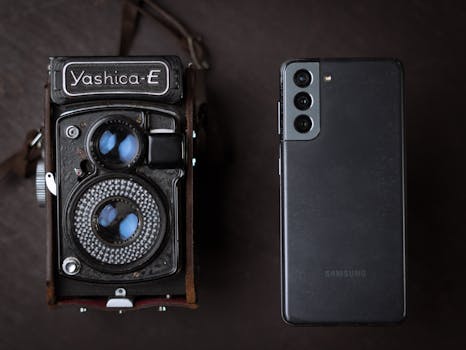
In the world of digital photography, few debates are as persistent or as misunderstood as the one between megapixels and lens quality. Camera manufacturers often tout ever-increasing megapixel counts, promising sharper, more detailed images. Meanwhile, professional photographers swear by superior lenses, emphasizing glass over pixel count. As a result, many consumers are left wondering: when it comes to capturing stunning photos, what truly matters most—megapixels or lens quality?
Understanding this debate is crucial, whether you’re considering a new camera, smartphone, or even upgrading your current setup. Let’s break down the science, the myths, and the practical realities behind megapixels and lens quality to help you make informed decisions for your photography needs.
Decoding Megapixels: What Do They Really Mean?
A megapixel is simply one million pixels, the tiny dots that collectively form a digital image. The total number of megapixels in a camera sensor determines the maximum possible image resolution. For instance, a 12-megapixel camera produces images containing twelve million pixels.
In marketing, higher megapixel counts are frequently equated with better image quality. But the reality is more nuanced. While more megapixels can mean larger, more detailed images—especially useful for cropping or printing large photos—there are diminishing returns beyond a certain point. For example, a 24-megapixel camera can create prints as large as 20x30 inches at professional quality (300 DPI), while a 12-megapixel camera still suffices for 11x14-inch prints.
Key facts: - Most smartphone cameras today range from 12 to 200 megapixels, with flagship devices commonly offering 48MP or higher. - The human eye cannot distinguish individual pixels beyond 300 pixels per inch (PPI) at a normal viewing distance. - Storage requirements and processing power increase as megapixels rise, leading to larger file sizes and slower shooting speeds.Megapixels do matter—but only to a point. Beyond a certain resolution, other factors become far more influential in determining image quality.
The Crucial Role of Lens Quality
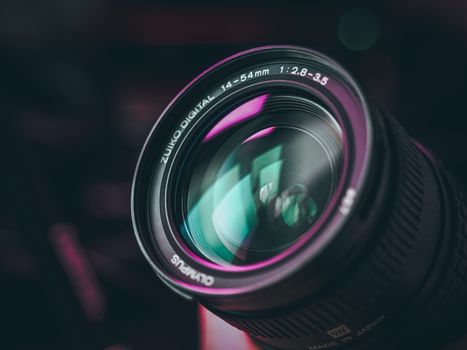
If megapixels are the canvas, then the lens is the brush that paints the picture. Lens quality determines how much light reaches the sensor, how accurately colors are rendered, and how sharply details are resolved. Even the highest-megapixel sensor cannot compensate for the distortion, aberrations, or lack of clarity introduced by a subpar lens.
Why does lens quality matter so much? - Sharpness: A high-quality lens can resolve fine details, ensuring that every pixel the sensor captures is filled with accurate information. - Light Transmission: Superior lenses allow more light to reach the sensor, improving performance in low-light situations and reducing noise. - Aberration Control: Well-designed lenses minimize chromatic aberration, distortion, and vignetting, leading to truer colors and more natural-looking images.Consider this: pairing a 50-megapixel sensor with a mediocre lens often produces images no better than those from a 12-megapixel sensor with a professional-grade lens. In optical testing, lenses are often the limiting factor, not the sensor.
Real-World Examples: Megapixels vs. Lens Quality in Action
To truly understand the impact of megapixels and lens quality, let’s look at some real-world scenarios.
1. Smartphone Photography: In 2023, the Samsung Galaxy S23 Ultra debuted with a staggering 200MP sensor. However, in side-by-side comparisons with the Apple iPhone 14 Pro (48MP), the iPhone often produced crisper, more vibrant images. The difference? Apple’s computational imaging pipeline and superior lens assembly made the most of fewer megapixels. 2. Professional Cameras: The Canon EOS 5D Mark IV (30.4MP) and the Canon EOS R5 (45MP) both offer high resolutions. Yet, photographers frequently report that image quality is more dependent on whether they’re using an L-series (professional) lens or a budget kit lens, rather than the difference in megapixel count. 3. Vintage Glass on Modern Bodies: Many photographers adapt vintage lenses (from the 1970s and 80s) onto modern high-megapixel mirrorless cameras. Despite lower megapixel sensors in older film cameras, these vintage lenses often produce beautiful, character-rich images—demonstrating that lens quality and rendering style can matter more than raw resolution.The Science: Optical Resolution vs. Sensor Resolution
The technical relationship between megapixels and lens quality is best understood through the concept of “resolving power.” Both the sensor and the lens contribute to the final sharpness of an image, but they are only as good as the weaker link in the chain.
- Sensor Resolution: Defined by the number of megapixels. It determines the smallest detail that can be recorded. - Optical Resolution: Determined by the lens’s ability to project fine detail onto the sensor. Measured in line pairs per millimeter (lp/mm).If a lens cannot resolve detail fine enough to match the sensor’s pixel pitch, the extra megapixels are wasted. Conversely, a sharp lens on a low-resolution sensor will be limited by the sensor’s ability to capture detail.
Here’s an illustrative comparison:
| Scenario | Sensor (Megapixels) | Lens Quality | Resulting Image Quality |
|---|---|---|---|
| High MP + High-Quality Lens | 50MP | Professional | Exceptional detail, sharpness, and clarity |
| High MP + Low-Quality Lens | 50MP | Kit/Entry | Soft images, wasted resolution |
| Low MP + High-Quality Lens | 12MP | Professional | Very sharp, clear images at reasonable print/viewing sizes |
| Low MP + Low-Quality Lens | 12MP | Kit/Entry | Soft, low-detail images |
As shown, the best results come from pairing high-quality lenses with high-resolution sensors—but if you must choose, a great lens often provides more tangible benefits for most photographers.
Other Influencing Factors in Image Quality
While megapixels and lens quality are significant, several other elements play crucial roles in the final image:
- Sensor Size: Larger sensors (like full-frame or APS-C) gather more light, improving dynamic range and noise performance. - Image Processing: Modern cameras and smartphones use advanced algorithms for noise reduction, sharpening, and color accuracy. - Photographer Skill: Composition, focusing, and exposure settings often make a bigger difference than hardware specs. - Lighting Conditions: Even the best camera and lens can only do so much in poor light.Interestingly, a 2017 DxOMark study showed that smartphone cameras with lower megapixel counts but better processing and lens assemblies consistently outperformed higher-megapixel competitors in blind image quality tests.
Choosing the Right Balance for Your Needs
So, what should you prioritize when selecting a camera or lens?
1. Purpose: Are you printing large posters or sharing on social media? For web use and prints up to 8x10 inches, 12–20 megapixels are typically sufficient. 2. Budget: Rather than investing solely in the highest-megapixel body, consider allocating funds for a better lens, which often delivers greater improvements. 3. Upgrade Path: Lenses tend to last longer than camera bodies. High-quality glass can serve you across multiple camera generations. 4. Real-World Evidence: Look at sample images from real-world photographers, not just spec sheets. User reviews often highlight the practical benefits of superior lenses.In 2022, a survey of 2,000 photographers by PetaPixel found that 68% preferred investing in premium lenses over higher-megapixel bodies, citing noticeable improvements in sharpness and creative flexibility.
Final Thoughts: Megapixels and Lens Quality in Perspective
The megapixel vs. lens quality debate isn’t about choosing one over the other—it’s about understanding their roles in the photographic process. While having more megapixels allows for larger prints and cropping flexibility, lens quality is the gatekeeper for sharpness, color, and overall image fidelity.
For most photographers, upgrading to a better lens will have a more immediate and noticeable impact on image quality than simply increasing megapixels. Pairing a good lens with a sensor that matches your output needs is the best path to consistently stunning results.
In summary: Don’t be seduced by marketing numbers alone. Invest wisely, test for yourself, and remember that the artistry of photography is about much more than just specs.