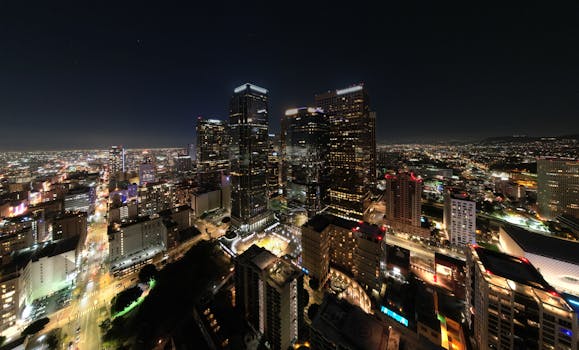
Night photography reveals a world that’s hidden from us during the day—cityscapes glowing with neon, star fields stretching across the sky, or urban scenes painted with the softness of streetlights. But capturing these breathtaking nighttime scenes isn’t as simple as pointing and shooting, especially if you want crisp detail and minimal noise. One of the most misunderstood aspects of night photography is the role of megapixels. Does a higher megapixel count mean better night shots, or are other factors more important? In this article, we’ll unlock the relationship between megapixels and night photography, explore how sensor size, technology, and shooting techniques matter, and provide actionable tips for achieving the best results after dark.
The Truth About Megapixels in Low Light Conditions
Megapixels are often the headline spec on a camera, but their true value in night photography is more nuanced than most people realize. In simple terms, a megapixel is one million pixels, and the more pixels you have, the higher the potential resolution of your photos. While this is great for printing large images or cropping, it’s not the only factor that determines image quality in low light.
In fact, cramming more pixels onto a small sensor can actually harm night photography. The reason? Each pixel has to be smaller to fit, which means it collects less light. Less light per pixel can lead to increased digital noise, color inaccuracies, and loss of detail—especially in the deep shadows and subtle gradients often found in nighttime scenes.
For example, two cameras—a 20MP full-frame DSLR and a 48MP smartphone—may have vastly different results in low light. The full-frame camera’s larger sensor and bigger individual pixels gather more light, producing clearer, less noisy images. According to a 2022 study by DXOMark, full-frame sensors with lower megapixel counts often outperform high-megapixel smartphones in night shots due to this light-gathering advantage.
Sensor Size vs. Megapixel Count: What Matters More?
When it comes to night photography, sensor size is often more critical than sheer megapixel count. Larger sensors (like those in full-frame or APS-C cameras) have more surface area, allowing for larger individual pixels and better light sensitivity. This translates directly into better low-light performance.
Let’s break this down with a comparative table:
| Camera Type | Sensor Size | Typical Megapixels | Pixel Size (approx.) | Low-Light Performance |
|---|---|---|---|---|
| Full-Frame DSLR/Mirrorless | 36x24mm | 20-45MP | 5-8µm | Excellent |
| APS-C Mirrorless | 23.6x15.7mm | 20-32MP | 3.2-4.8µm | Very Good |
| Micro Four Thirds | 17.3x13mm | 16-25MP | 3-4µm | Good |
| Smartphone | ~6.3x4.7mm | 48-108MP | 0.7-1.2µm | Fair-Poor |
Real-world results echo these technical differences. For example, the Sony A7 III (24MP, full-frame sensor) is a favorite among night photographers for its ability to produce clean, detailed images at high ISO settings, something even a 108MP smartphone struggles with due to its tiny pixel size.
Modern Sensor Technologies: Bridging the Gap
Camera manufacturers are well aware of the challenges that small pixels face in low light. In response, they’ve developed advanced technologies to boost performance, even in high-megapixel sensors.
One of the most significant innovations is pixel binning, commonly found in modern smartphones. Pixel binning combines data from multiple adjacent pixels to act as one “super pixel,” dramatically increasing light sensitivity. For instance, a 48MP sensor might use 4-in-1 binning to generate a 12MP image with much better noise performance at night. In 2023, Samsung’s ISOCELL sensors and Apple’s Photonic Engine both used this technique to remarkable effect, delivering brighter, clearer night shots despite high native megapixel counts.
Back-side illuminated (BSI) sensors are another advancement, designed to maximize the amount of light each pixel receives by rearranging the sensor’s circuitry. BSI technology, first popularized in Sony’s sensor lineup, is now standard in many cameras and has been shown in lab tests to improve low-light performance by up to 30% compared to traditional sensors.
Stacked sensors and AI-driven noise reduction algorithms are also pushing the envelope. For example, Canon’s R6 Mark II leverages a stacked sensor for faster data readout, which helps reduce artifacts and noise in challenging conditions.
Best Practices: Shooting Techniques for Night Photography
Regardless of your camera’s megapixel count, the right techniques will make a world of difference in your night photography. Here are some expert-recommended steps:
1. Use a Tripod: Even the best cameras need stability for long exposures. A sturdy tripod prevents motion blur and lets you use lower ISO settings, resulting in cleaner images. 2. Shoot in RAW: RAW files retain all sensor data, giving you much greater flexibility to reduce noise and recover shadows in post-processing. 3. Keep ISO as Low as Possible: While modern cameras handle high ISOs better than ever, keeping ISO lower helps preserve detail and reduce noise. Use longer shutter speeds instead, whenever possible. 4. Mind Your Aperture: Use a wide aperture (lower f-number) to maximize light intake, but be aware that the sharpest results usually come from stopping down the lens by one or two stops. 5. Manual Focus: Autofocus can struggle in low light. Switch to manual focus and use your camera’s focus magnifier or peaking features for precision. 6. Leverage Exposure Bracketing: Take several shots at different exposures and blend them in post-processing for optimal dynamic range.A 2019 survey by DPReview found that 68% of night photographers used a tripod and 54% shot exclusively in RAW, highlighting the importance of these techniques for consistently good results.
Editing Night Photos: Maximizing Detail from Megapixels
The real magic often happens after you press the shutter. Night photos, even from high-megapixel cameras, often need some post-processing to truly shine.
Noise reduction is key. Most editing software, such as Adobe Lightroom or DxO PhotoLab, includes intelligent noise reduction tools that analyze image data and selectively reduce noise while preserving detail. For example, DxO’s DeepPRIME technology uses artificial intelligence to outperform traditional methods, sometimes reducing noise by up to 2 stops compared to standard software.
Sharpening is equally important. Night images can appear soft due to long exposures or lens limitations. Use sharpening tools carefully to enhance detail without amplifying noise.
When working with high-megapixel files, cropping becomes a powerful tool. If your image is 40MP or more, you can crop significantly without losing print quality—perfect for reframing star fields or urban scenes.
Finally, don’t forget about color correction. Sodium-vapor streetlights, neon signs, and moonlight can cast unusual color tints. Adjust white balance and use selective color tools to restore natural hues or create mood.
Choosing the Right Camera for Night Photography
So, how do you select a camera that will perform well in night photography? Here are the key considerations:
- Sensor Size: Prioritize larger sensors (full-frame or APS-C) for the best light-gathering ability. - Megapixel Count: Look for a balance. 20-30MP is often the sweet spot for low-light work, offering enough resolution for large prints without sacrificing pixel size. - Lens Selection: Fast lenses (with wide maximum apertures like f/1.4 or f/2) are invaluable for night shooting, regardless of sensor specs. - Low-Light Features: Cameras with advanced noise reduction, dual native ISO, or pixel binning offer practical benefits. - Budget: While flagship cameras like the Sony A7S III (12MP, full-frame, renowned for its low-light prowess) are ideal, mid-range options like the Canon EOS R or Nikon Z6 also deliver excellent results.Ultimately, the best camera is the one you have with you, provided you understand its strengths and limitations.
Final Tips for Achieving Night Photography Excellence
Megapixels are only part of the night photography equation. While a high-megapixel camera can provide stunning detail, especially when paired with a large sensor and good lens, it’s the blend of technology, technique, and creativity that truly enables magical night shots. Embrace your camera’s unique capabilities, experiment with settings, and don’t be afraid to enhance your images in post-processing. With practice, you’ll be able to capture the nocturnal world in all its atmospheric beauty—whether you’re working with a flagship DSLR, a mirrorless marvel, or even a modern smartphone.