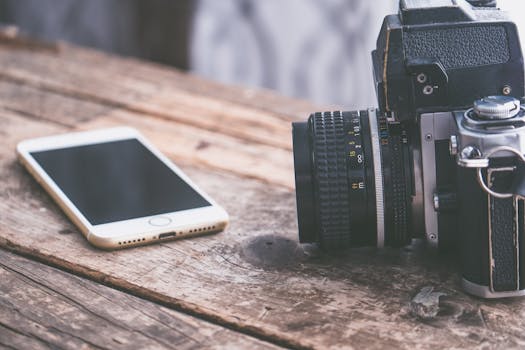
Photography is a unique blend of art and science, and nowhere is this more apparent than in the ongoing conversation about image resolution. In today’s digital world, megapixels are a familiar metric—often marketed as a defining feature of digital cameras and smartphones. But what about film photography, a medium that predates digital sensors by more than a century? How relevant is the concept of megapixels when discussing film, and what does it mean for photographers who still cherish shooting with analog equipment? This article explores the nuanced relationship between megapixels and film photography, clarifies how resolution is measured in film, and examines the practical implications for enthusiasts and professionals alike.
Understanding Megapixels and Their Digital Origins
To appreciate the relevance—or irrelevance—of megapixels in film photography, it’s essential first to understand what megapixels represent. A megapixel is one million pixels, with each pixel being the smallest unit of a digital image. In digital cameras, the number of megapixels indicates how much detail a sensor can capture. For example, a 24-megapixel camera sensor records images that are 6000 x 4000 pixels in size.
This metric makes sense in the digital domain, where images are composed of discrete pixels. It’s an easy way for manufacturers to convey, at a glance, the potential for image detail and the size at which photos can be printed without visible pixelation. However, traditional photographic film doesn’t use pixels. Instead, it relies on a continuous layer of light-sensitive chemicals that respond to light exposure, resulting in an image composed of microscopic grains.
So, how do we compare these two fundamentally different mediums?
Translating Film Grain to Digital Resolution
Film doesn’t naturally have megapixels, but for the sake of comparison, experts have devised ways to estimate the “equivalent” digital resolution of various film types. This is typically done by scanning film negatives at high resolutions and analyzing the level of detail captured by the film’s grain structure.
For instance, a standard 35mm film frame measures 24 x 36 mm. When scanned at a high resolution, the amount of detail potentially extracted can be compared to a digital file measured in megapixels. Research and practical scanning experiences indicate the following approximate equivalencies:
- $1 When scanned with high-end equipment, 35mm film can yield between 10 and 24 megapixels of usable detail, depending on the film stock, lens quality, and exposure. - $1 Offers significantly more detail, with estimates ranging from 50 to 80 megapixels. - $1 Can reach digital equivalents of 200 megapixels or higher.These numbers are not absolute—they depend on factors like film stock, scanning technology, and photographic technique—but they provide a useful reference point for digital-minded photographers.
Comparing Film Formats and Digital Resolutions
To further clarify the relationship between film types and digital megapixels, the table below summarizes approximate resolution equivalents for common film formats:
| Film Format | Dimensions | Estimated Megapixel Equivalent | Typical Use |
|---|---|---|---|
| 35mm | 24 x 36 mm | 10-24 MP | General photography, street, documentary |
| Medium Format (6x4.5 cm) | 56 x 42 mm | 40-60 MP | Portrait, studio, landscape |
| Medium Format (6x7 cm) | 56 x 70 mm | 60-80 MP | Fine art, large prints |
| Large Format (4x5 in) | 102 x 127 mm | 150-200+ MP | Landscape, architecture, high-detail work |
This comparison shows that, contrary to some assumptions, film can hold its own when it comes to resolution—especially in medium and large formats. However, megapixels only tell part of the story.
The Limitations of the Megapixel Analogy in Film
While it’s tempting to directly equate film resolution to a specific megapixel number, this analogy has its limitations. Film captures images differently than digital sensors, resulting in some key differences:
1. $1 Unlike digital images, which have a fixed pixel grid, film produces images with continuous tone. This means there are no abrupt transitions between colors and shades, resulting in smoother gradients and a different ‘look’ often prized by photographers. 2. $1 Film grain is random and organic, while digital pixels are uniform and grid-based. At high magnifications, film grain provides a textured aesthetic, whereas digital images may show pixelation. 3. $1 Many film stocks are capable of capturing a wider dynamic range (the range between the darkest and brightest areas of an image) than some digital sensors, particularly in highlights. 4. $1 The resolving power of film is also influenced by the lens used, the steadiness of the camera, and the development process. A sharp lens on fine-grain film, processed optimally, can extract maximum detail, just as a poor lens or technique can undermine potential resolution.Ultimately, while it’s possible to compare film and digital on the basis of megapixels, the analogy is more a convenience than a precise science. The unique characteristics of film go beyond simple numbers.
Why Megapixels Matter (and Don’t) for Film Photographers
For those shooting film today, the question of megapixels is both relevant and irrelevant—depending on the context. Here’s how:
- $1 If you plan to scan your negatives and print your photos digitally, understanding the “megapixel equivalent” of your film helps ensure you scan at an appropriate resolution for your intended print size. A 20-megapixel scan of 35mm film, for example, is more than adequate for high-quality 11 x 14 inch prints. - $1 Higher scan resolutions can future-proof your film images. Even if you don’t need a massive file today, high-resolution scans allow for cropping, retouching, or large-format printing down the road. - $1 Some film photographers embrace the grain and the analog imperfections of film, prioritizing the medium’s character over ultimate sharpness or resolution. For these artists, megapixels are a secondary concern. - $1 Many contemporary photographers work in a hybrid fashion, shooting on film but editing and sharing digitally. Here, understanding how much detail your film can deliver helps optimize your workflow.It’s also worth noting that many celebrated film photographs from history were made with equipment that, by today’s digital standards, would seem “low-res”—yet their impact endures.
Film Photography in the Age of High Megapixel Sensors
With digital cameras now reaching 40, 60, or even 100+ megapixels, some wonder if film still has a place for those seeking the “ultimate” in image quality. The answer, as always, depends on what you value.
- $1 For ultimate resolution, medium and large format film still rival or exceed all but the most expensive digital cameras. For example, a drum scan of a 4x5 inch negative can generate files of 500 megapixels or more, though practical usable detail is typically less. - $1 High-resolution digital cameras offer instant results and convenience but come at a significant price. Medium format digital cameras, for example, can cost upwards of $10,000, whereas a medium format film camera and a good scanner can be obtained for a fraction of that. - $1 Many photographers continue to choose film for its distinctive rendering—subtle tonality, organic grain, and the tactile process—rather than for raw resolution.In practice, most photographers’ needs—whether for web display, editorial print, or even gallery exhibition—are well met by both digital and film mediums, provided the image is captured and processed carefully.
Final Thoughts: The Enduring Appeal of Film Beyond Megapixels
The digital era has introduced megapixels as a metric for image quality, but film photography exists on its own terms. While it’s possible—and sometimes useful—to discuss film in terms of digital resolution, doing so only scratches the surface of why film remains relevant and beloved.
Film’s appeal is not just in its “megapixel equivalent” but in its unique visual character, its process, and its tangible connection to the history of photography. Whether you’re scanning 35mm negatives for social media or creating wall-sized prints from large format transparencies, understanding how film’s qualities translate to the digital world can help you make informed decisions about scanning, printing, and shooting. But don’t let the numbers distract from the creative possibilities that film continues to offer.