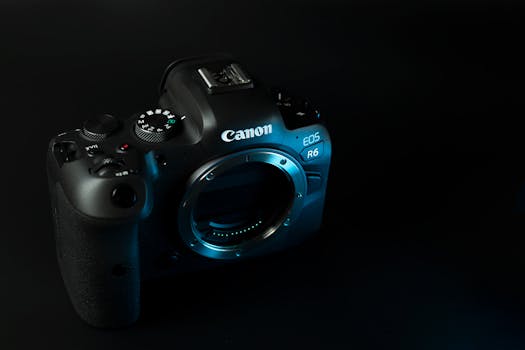
Capturing Clarity: How to Compare Different Camera Sensors and Their Impact on Image Quality
The world of photography is packed with technical jargon, but few factors influence your photos as profoundly as the camera sensor. Whether you wield a DSLR, mirrorless camera, or a smartphone, the sensor acts as the digital "film," capturing light and turning it into the images you see. But not all sensors are created equal. From size and technology to pixel structure, the differences among camera sensors can mean the difference between a snapshot and a masterpiece.
Understanding how to compare different camera sensors is crucial for anyone who wants to make informed decisions—whether buying a new camera, upgrading gear, or simply getting the best from your device. This guide will break down sensor types, sizes, and technologies, explain their impact on image quality, and provide clear guidance on what to look for. After all, when it comes to image quality, the sensor is where it all begins.
The Key Types of Camera Sensors Explained
Before you can compare sensors, it’s essential to understand the main varieties you’ll encounter. The two most common sensor technologies are CCD (Charge-Coupled Device) and CMOS (Complementary Metal-Oxide-Semiconductor). While both convert light into electrical signals, they differ in speed, power consumption, and cost.
CCD sensors once dominated digital photography due to their excellent image quality and low noise. However, CMOS sensors have largely overtaken them, especially in consumer electronics, thanks to faster readout speeds, lower power requirements, and ongoing improvements in quality.
Beyond technology, sensors also differ in physical size, which greatly affects performance. The most prevalent sensor sizes include:
- Full-frame (36mm x 24mm) - APS-C (approx. 22.3mm x 14.9mm for Canon, 23.6mm x 15.6mm for Nikon/Sony) - Micro Four Thirds (17.3mm x 13mm) - 1-inch sensors (13.2mm x 8.8mm) - Smartphone sensors (typically much smaller, around 6.3mm x 4.7mm)Sensor size matters because it determines the amount of light captured. Larger sensors generally deliver better image quality, especially in low-light situations. According to a 2022 CIPA report, 67% of interchangeable lens cameras sold that year featured APS-C or larger sensors, reflecting their popularity among enthusiasts and professionals.
Sensor Size: Why Bigger Often Means Better
The size of a camera sensor is often the single most significant factor in image quality. Here’s why:
1. $1 Larger sensors have bigger individual pixels, which can collect more light. This results in less noise and better dynamic range—crucial for capturing detail in both shadows and highlights. 2. $1 A larger sensor allows for shallower depth of field at the same aperture, making it easier to create blurred backgrounds that make your subject pop. 3. $1 A 24-megapixel full-frame sensor has larger pixels than a 24-megapixel smartphone sensor. Larger pixels typically translate to better low-light performance and richer color data.To illustrate, let’s compare common sensor sizes and their typical uses:
| Sensor Type | Dimensions (mm) | Common Use | Pros | Cons |
|---|---|---|---|---|
| Full-frame | 36 x 24 | Professional DSLRs/Mirrorless | Best low-light, dynamic range, shallow depth of field | Expensive, larger cameras/lenses |
| APS-C | Approx. 23.6 x 15.6 | Enthusiast DSLRs/Mirrorless | Good balance of quality and size | Less shallow depth of field, more crop |
| Micro Four Thirds | 17.3 x 13 | Compact Mirrorless | Lightweight, affordable | Less dynamic range, more noise in low light |
| 1-inch | 13.2 x 8.8 | Premium Compacts | Better than smartphones, pocketable | Limited depth of field, noise in dark scenes |
| Smartphone | Approx. 6.3 x 4.7 | Mobile Devices | Ultra-compact, always with you | Smallest pixels, least low-light ability |
According to DxOMark, full-frame sensors in flagship cameras like the Sony A7R IV achieve dynamic range scores above 14 stops, while top smartphones typically score between 10 and 11 stops. That’s a significant difference in how much detail can be captured from shadows to highlights.
How Sensor Technology Affects Image Quality
Not all sensors of the same size are equal. Advances in sensor technology can bridge performance gaps. Here are a few important innovations:
1. $1 By re-arranging the sensor structure so that wiring is placed behind the photosensitive layer, BSI sensors (common in modern smartphones and some cameras) capture more light, reducing noise and improving low-light performance. 2. $1 These use multiple layers to separate the pixel array and circuitry, enabling faster readout speeds, better video, and higher dynamic range. 3. $1 Introduced in some high-end cameras, dual gain amplifies the signal at two levels, optimizing for both highlights and shadows in a single shot.For example, Sony’s Exmor R sensors (BSI CMOS) deliver a 1-2 stop improvement in low-light performance over traditional front-side illuminated designs, making them popular in both smartphones and full-frame cameras.
Pixel Size, Resolution, and the Megapixel Myth
It’s tempting to judge sensors by their megapixel count, but resolution is only part of the picture. Pixel size—measured in microns (µm)—is equally important.
- Larger pixels collect more light, which boosts signal-to-noise ratio and dynamic range. - Smaller pixels (as found on high-res smartphone sensors) may cram more detail into each image, but often at the cost of increased noise and reduced performance in low light.For instance, the Samsung Galaxy S23 Ultra’s 200MP sensor has pixels as small as 0.6µm, but in low-light situations, it uses "pixel binning" to combine 16 pixels into one, yielding effective 2.4µm pixels. This technique helps offset the downsides of tiny individual pixels, but it’s a compromise compared to the larger, single pixels found on a full-frame sensor.
When comparing cameras, check not just the megapixel count but also pixel pitch and sensor size. A 20MP Micro Four Thirds sensor can outperform a 48MP smartphone sensor in overall image quality, especially in challenging lighting.
Dynamic Range and Color Depth: The Hidden Strengths of Bigger Sensors
Dynamic range (the span between the darkest and brightest areas a sensor can record) is a critical quality metric. According to the Imaging Resource, top full-frame cameras achieve up to 15 stops of dynamic range, while APS-C models typically offer 13 stops, and smartphones reach around 10 stops.
Wider dynamic range means:
- More recoverable detail in highlights and shadows - Greater flexibility in post-processing - Smoother tonal transitionsColor depth (measured in bits) is also affected by sensor design and size. Professional cameras typically deliver 14-bit RAW files, allowing for over 16,000 tonal gradations per channel, compared to 8-bit JPEGs (just 256 tonal values per channel) from most smartphones.
This is why landscape and portrait photographers often prefer larger sensors: they preserve subtlety and nuance in both color and tone.
Comparing Sensors: Practical Tips for Real-World Decisions
When comparing camera sensors, keep these practical considerations in mind:
1. $1 Do you shoot mostly in bright light or low light? Do you print your photos large, or mainly share on social media? Larger sensors shine in challenging conditions and for professional output, but may be overkill for casual use. 2. $1 Lab specifications don’t tell the whole story. Review sample images, noise tests, and dynamic range charts from trusted sources like DPReview, DxOMark, or Imaging Resource. 3. $1 Autofocus speed, lens quality, and image stabilization all play roles in image quality. The sensor is vital, but it’s part of a system. 4. $1 If you anticipate growing in your photography, consider a system with a larger sensor and room to upgrade lenses or accessories.As an example, the Canon EOS R7 (APS-C) offers outstanding autofocus and speed for sports and wildlife, while the Sony A7 IV (full-frame) excels in portrait and landscape work, thanks to its superior sensor performance.
Camera Sensor Comparisons: Which is Best for You?
There’s no one-size-fits-all answer to choosing a camera sensor. The right choice depends on your needs, budget, and shooting style. For those who demand the highest image quality—especially in low light or for large prints—a full-frame or even medium format sensor is ideal. Enthusiasts and travelers may prefer the balance of size, cost, and quality offered by APS-C or Micro Four Thirds systems.
Smartphones continue to innovate with computational photography and stacked sensors. While they can’t match the raw ability of a larger sensor, they’re closing the gap for everyday shooting.
When comparing sensors, remember to look beyond the marketing numbers. Consider size, technology, pixel pitch, and real-world image samples. The right sensor can unlock new creative possibilities and elevate your photography to the next level.