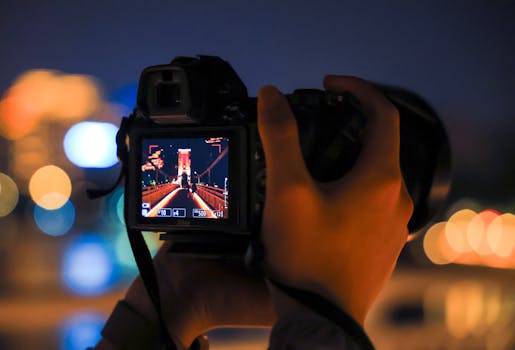
Megapixels Myth: How Much is Too Much?
The digital camera world is awash with numbers, and none is more hyped than the megapixel count. Camera manufacturers tout ever-higher figures—48MP, 108MP, even 200MP—implying that more pixels automatically mean better photos. But is this megapixel race actually improving our photography, or is it just a clever marketing ploy? Understanding how much is too much when it comes to megapixels can save you money, storage space, and disappointment. Let’s dive into the megapixels myth, examine when megapixels matter, and uncover the point of diminishing returns.
The Origins of the Megapixel Race
To understand why megapixels became a go-to spec for advertising, it helps to know what a megapixel is. One megapixel equals one million pixels, the tiny dots that make up a digital image. In the early days of digital photography, cameras with higher megapixel counts produced noticeably sharper images—especially compared to early 1- or 2-megapixel sensors.
By 2007, the average consumer digital camera had between 6 and 8 megapixels, a significant leap from the 1.3MP sensors of just a few years before. But as technology improved, sensor quality, lens sharpness, and image processing began to matter more for real-world image quality than simply adding more pixels.
Fast forward to 2024, and the smartphone in your pocket might boast a 200MP sensor. However, most people will never print a photo larger than A4 size (8.3 x 11.7 inches), a task easily handled by a 10MP camera. So why do manufacturers keep ramping up the megapixel count?
When Megapixels Matter—and When They Don’t
There are real scenarios where a higher megapixel count is beneficial. If you’re a professional photographer who needs to crop images heavily or print massive posters, more pixels allow you to retain detail and clarity. For example, professional fashion photographers or landscape shooters working for billboards can take advantage of 40MP, 60MP, or even 100MP sensors.
However, for most consumers, the advantages taper off quickly. Here’s why:
- $1 The average 4K television or monitor displays about 8.3 million pixels (8.3MP). Posting photos on social media? Instagram, for example, downscales images to around 1.2MP. - $1 A 300-dpi (dots per inch) print from a 12MP image is sharp up to 14 x 11 inches, larger than most people ever print. - $1 More pixels mean larger files, which eat up storage and slow down camera processing.In everyday use, a 12MP to 20MP camera is more than adequate for family photos, travel memories, or sharing online.
The Hidden Trade-Offs of Ultra-High Megapixel Sensors
Having more pixels isn’t a free lunch. Packing more pixels onto a sensor of the same size means each pixel (or “photosite”) gets smaller. Smaller pixels have less surface area to capture light, which can hurt image quality, especially in low-light conditions. This is why some high-megapixel smartphone cameras struggle with night photography compared to their lower-megapixel counterparts.
For example, compare the pixel size on a 12MP sensor versus a 108MP sensor of the same dimensions. The 12MP sensor’s pixels are much larger, capturing more light and reducing noise. This is why flagship smartphones often use pixel “binning”—combining data from multiple small pixels into one larger pixel to boost low-light performance.
There are also consequences for speed and storage. A single uncompressed RAW file from a 45MP camera can exceed 50MB, while a 12MP RAW file might be just 20MB. Shooting bursts of high-res images can quickly fill up memory cards and slow down data transfer.
Comparing Megapixel Counts: How Much Do You Really Need?
Let’s break down the impact of different megapixel counts on common print and display sizes. The table below shows the maximum print size (at 300 dpi, the standard for photo prints) for different megapixel counts.
| Megapixels | Resolution (pixels) | Max Print Size at 300dpi (inches) | Common Use Case |
|---|---|---|---|
| 8MP | 3264 x 2448 | 10.9 x 8.2 | Standard prints, social media |
| 12MP | 4000 x 3000 | 13.3 x 10 | Photo books, moderate cropping |
| 24MP | 6000 x 4000 | 20 x 13.3 | Large prints, more cropping |
| 48MP | 8000 x 6000 | 26.7 x 20 | Posters, commercial use |
| 108MP | 12000 x 9000 | 40 x 30 | Billboards, extreme cropping |
As the table shows, even an 8MP camera is sufficient for high-quality 8x10 prints. Jumping from 12MP to 24MP is useful for larger prints or heavy cropping, but most consumers won’t benefit from anything beyond 24MP in daily life.
Beyond Megapixels: The True Drivers of Image Quality
Image quality is a complex mix of factors, and while megapixels get the headlines, other elements are often more important:
- $1 Larger sensors gather more light, improving dynamic range and low-light performance. Full-frame cameras (with sensors roughly 36 x 24mm) outperform smartphones and compact cameras, regardless of megapixel count. - $1 A sharp, well-designed lens can make a bigger difference than adding megapixels. Even a 100MP sensor delivers poor results if the lens is soft or has significant distortion. - $1 Modern cameras and smartphones use powerful algorithms to reduce noise, enhance detail, and balance colors. Computational photography, not just megapixels, is behind the stunning images from today’s best smartphones. - $1 No camera spec can replace knowing how to compose a photo, use light effectively, or choose the right settings.In fact, some of the most admired photos in history—like those shot on 35mm film—contain the digital equivalent of just 6-8 megapixels.
The Environmental and Practical Impact of More Megapixels
There’s also a hidden environmental cost to the megapixel arms race. Larger files require more storage and faster data centers, which consume more energy. In 2021, the global data storage market generated over 6.5 million metric tons of CO2 annually, a figure projected to rise as file sizes balloon.
On a personal level, ultra-high megapixel photos fill up your device storage faster and require beefier hardware to edit. A 128GB phone might hold 10,000 photos at 12MP, but only 3,000 at 48MP. For most users, higher megapixels mean spending more on storage upgrades and replacing devices sooner.
Finding Your Megapixel Sweet Spot
So, how many megapixels is too many? For most people, anything above 24MP is overkill. Here are some guidelines:
- 8-12MP: Great for social media, web sharing, and standard prints up to 11x14 inches. - 16-24MP: Ideal for enthusiasts who crop photos or print larger than 11x14 inches. - 40MP+: Reserved for professional use, commercial projects, or specialized needs (e.g., wildlife photographers who crop heavily).If you’re shopping for a camera or smartphone, focus less on the megapixel count and more on sensor size, lens quality, and software features. Ask yourself: Will you actually use the extra resolution, or will it just fill up your storage?
Final Thoughts on the Megapixels Myth
The relentless pursuit of more megapixels has fueled innovation, but it’s also created confusion and unnecessary expense for everyday photographers. While higher megapixels can be useful for professionals and niche applications, the vast majority of people don’t need more than 12-24MP for stunning, high-quality images.
Remember that real-world photo quality is about much more than pixel count. Lighting, composition, sensor size, lens sharpness, and processing power matter at least as much—if not more. Don’t fall for the megapixels myth. Choose a camera that fits your actual needs, and you’ll be rewarded with great photos and less digital clutter.