The Truth about Megapixels and Image Resolution: What Really Matters for Everyday Photography
In the world of digital photography, few terms generate as much excitement and confusion as “megapixels.” Camera manufacturers often promote higher megapixel counts as a sign of superior image quality, leading many consumers to assume that more megapixels automatically mean better photos. However, the reality is far more nuanced. Understanding the relationship between megapixels, image resolution, and overall photo quality can help you make smarter choices—whether you’re upgrading your smartphone, buying a new camera, or simply trying to get the best out of what you already own. In this article, we’ll dig beneath the surface of megapixel mania, exploring what megapixels really mean, how they interact with image resolution, and what factors actually make a difference in everyday photography.
Demystifying Megapixels: What Are They Really?
Let’s start with the basics: a megapixel equals one million pixels, and a pixel is the smallest element in a digital image. Pixels are tiny squares of color and light that, when combined, create the full picture you see on a screen or in print.
For example, an image that’s 4000 pixels wide and 3000 pixels tall contains 12 million pixels, or 12 megapixels (MP). In theory, more megapixels mean more detail because the camera is recording more information. But this doesn’t automatically translate to better images in practice.
Here’s why: the human eye can only discern so much detail, and most screens and prints don’t take full advantage of extremely high resolutions. For everyday use—like sharing photos on social media or making standard-sized prints—even entry-level cameras and smartphones offer more than enough megapixels.
A recent study by Statista showed that the average smartphone camera had about 12 MP in 2023, up from just 2 MP in 2008. Yet, despite this dramatic increase, most users can’t tell the difference between a 12 MP and a 20 MP image when viewed on a typical phone or computer screen.
Image Resolution Explained: Beyond the Pixel Count
Image resolution often gets confused with megapixel count, but they’re not the same thing. Resolution refers to the amount of detail an image holds, usually measured in pixels per inch (PPI) for digital displays or dots per inch (DPI) for prints.
Here’s how it works:
- $1: This determines how sharp an image appears on a screen. A higher PPI means more pixels are packed into each inch, resulting in crisper images. - $1: This is used for printing and tells you how many dots of ink are placed per inch of paper.An image might be 6000 x 4000 pixels (24 MP), but if you print it at a huge size without enough DPI, it can still look blurry. Conversely, a 6 MP image printed at a high DPI on a small canvas can appear razor-sharp.
For standard photo prints (like 4x6 inches), a 6 MP image is more than sufficient. To print a poster-sized image (24x36 inches) at high quality, you’d want at least 20 MP, but even then, the viewing distance matters—larger prints are usually viewed from farther away, so the perceived sharpness is higher.
Megapixels vs. Real-World Image Quality: What Else Matters?
While it’s tempting to equate more megapixels with better photos, let’s look at what actually impacts image quality:
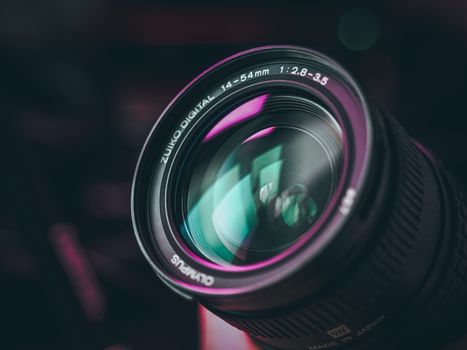
1. $1: The sensor is the part of the camera that captures light. Larger sensors can gather more light, resulting in better performance in low-light conditions and greater dynamic range. For example, a 12 MP image from a full-frame DSLR will look better than a 12 MP image from a compact smartphone sensor, especially in challenging lighting. 2. $1: Even the highest-resolution sensor can’t compensate for a poor lens. Sharp lenses transmit more detail to the sensor, resulting in clearer, more vibrant images. 3. $1: Modern cameras and smartphones use software to process photos. Good image processing can reduce noise, improve color, and sharpen details, making a huge difference in the final image. 4. $1: No amount of megapixels can rescue a poorly lit photo. Proper lighting remains one of the most critical aspects of great photography.A 2024 consumer survey by The NPD Group found that 73% of people couldn’t distinguish between images taken with a 12 MP and a 24 MP camera in a blind comparison—particularly when both cameras had quality lenses and good lighting.
Megapixels and Everyday Use: How Much Is Enough?
So how many megapixels do you actually need? The answer depends on how you use your photos.
| Use Case | Recommended Megapixels | Example |
|---|---|---|
| Social Media Sharing | 8-12 MP | Instagram, Facebook, Twitter |
| Standard Prints (4x6, 5x7) | 6-10 MP | Photo albums, holiday cards |
| Large Prints (16x20, 24x36) | 16-24 MP | Wall art, posters |
| Professional Printing or Cropping | 24+ MP | Magazines, commercial use |
For the vast majority of people, a camera or smartphone with 12 to 16 MP is more than enough. The only time you might need more is if you often crop your photos heavily or make very large prints.
A practical example: a 12 MP photo (4000 x 3000 pixels) printed at 300 DPI (the standard for high-quality prints) can produce a sharp 13 x 10-inch print—bigger than most standard frames.
The Downsides of Chasing Megapixels
Cameras with higher megapixel counts aren’t always better. Here are some of the tradeoffs:
- $1: More megapixels mean bigger files. This takes up more storage space and can slow down your camera or phone’s performance. - $1: High-resolution images require more processing power, which can mean slower shooting speeds and longer waits between shots. - $1: Packing more pixels onto a small sensor can actually increase image noise, especially in low-light conditions. This is a common issue with smartphones that boast ultra-high megapixel counts. - $1: Processing and saving larger images uses more battery, shortening shooting sessions.A 2022 test by DXOMark showed that a 108 MP smartphone sensor produced better detail in bright light, but struggled with noise and color accuracy in dim conditions compared to a 12 MP sensor of the same sensor size.
How to Choose the Right Camera: Focus on What Matters
Rather than getting caught up in the megapixel race, consider these guidelines when choosing a camera or smartphone:
- $1: Bigger sensors capture more light and produce better results, especially in challenging conditions. - $1: Look for cameras with high-quality lenses. Features like optical image stabilization, wide apertures, and low distortion make a bigger difference than raw megapixel count. - $1: Think about how you’ll use your photos. For social media and small prints, you don’t need the highest number of megapixels. - $1: If possible, try out the camera or read reviews that include real-world image samples, especially in low light. - $1: Good image processing software, whether in-camera or on your computer, can dramatically enhance photo quality.Remember, professional photographers often choose cameras based on lens options, sensor performance, and ergonomics rather than the highest megapixel count. For most people, a balanced approach yields the best results.
The Last Word on Megapixels and Image Resolution
Megapixels and image resolution are important, but they’re just part of the bigger picture when it comes to photography. While it may feel reassuring to chase ever-higher numbers, the truth is that sensor size, lens quality, and image processing play equally—if not more—important roles in determining how good your photos look. For everyday photographers, a moderate megapixel count paired with a good lens and a quality sensor will deliver stunning results for almost any use.
Rather than focusing on specs alone, consider how you actually use your images, what you want to create, and which camera features will help you get there. In the end, knowing what really matters about megapixels and resolution will help you spend wisely, shoot confidently, and enjoy your photos more than ever.