Capturing Reality: Case Studies of Photography with Different Megapixel Counts in Professional Practice
In the ever-evolving world of photography, the question of how many megapixels are truly necessary continues to spark debate among professionals and enthusiasts alike. While marketing campaigns often tout the highest megapixel counts as the ultimate measure of image quality, real-world professional practice tells a more nuanced story. This article explores case studies from various fields of professional photography, analyzing how cameras with different megapixel counts perform in practice, the unique challenges and advantages they present, and how photographers choose the right tool for the job. We’ll dig into actual usage scenarios, present comparative data, and shed light on the practical impact of megapixels in the hands of experienced professionals.
Understanding Megapixels: More Than Just a Number
To appreciate the impact of megapixel counts in professional practice, it’s essential to clarify what a megapixel actually is. One megapixel is one million pixels, the tiny dots that make up a digital image. The more megapixels, the higher the potential resolution of an image. Yet, as many seasoned photographers know, more isn’t always better. The sensor size, lens quality, and processing capabilities also play critical roles.
For context, professional cameras range widely in megapixel counts: - Entry-level DSLRs: 16-24MP - Mid-range professional cameras: 24-36MP - High-resolution studio cameras: 45-100MPIn 2023, the Sony A7R V (61MP) and Canon EOS R5 (45MP) are two favorites among high-resolution shooters, while the Nikon D750 (24MP) and Fujifilm X-T4 (26MP) remain go-to choices for many pros seeking balance between quality and efficiency.
Case Study 1: Photojournalism and Low-Megapixel Efficiency
Photojournalists often prioritize speed, reliability, and low-light performance over sheer resolution. For example, Pulitzer Prize-winning photographer Lynsey Addario frequently uses cameras in the 16-24MP range. Why? Lower megapixel files are faster to transmit from the field—a crucial factor when competing to break the news.
Take the Nikon D5, a 20.8MP camera, widely favored by photojournalists for its outstanding autofocus and rapid file handling. During major news events, transmitting a 20MP image is significantly quicker than sending a 50MP file, especially in areas with slow internet.
Real-World Example: During the 2021 Tokyo Olympics, many wire service photographers used 20-24MP cameras. This allowed them to shoot hundreds of images per day and upload them to editors within seconds. According to Reuters, their average image file size was 10-15MB, compared to 30-50MB for high-megapixel RAW files.
Conclusion: For fast-paced, high-volume environments, lower megapixel counts ensure efficiency without sacrificing print or web quality for most editorial uses.
Case Study 2: Commercial Studio Photography and the High-Megapixel Advantage
In contrast, commercial studio photographers often demand the highest possible resolution. Advertising, fashion, and product photography require images with exceptional detail for large format prints, billboards, and intricate retouching.
One standout is the Phase One XF IQ4 150MP, a medium format camera used for luxury fashion and high-end product shoots. Photographer Karl Taylor used this camera for a luxury watch campaign, producing images that revealed microscopic engravings on the timepieces—details invisible to the naked eye.
Comparative Data: - Phase One XF IQ4 (150MP): RAW files up to 150MB each, maximum print size exceeding 100 inches at 300dpi with no visible pixelation. - Canon EOS R5 (45MP): RAW files around 50MB, excellent for high-quality magazine spreads or posters, but less flexibility for extreme crops or massive displays.According to a 2022 survey by Photo District News, 68% of commercial studio photographers working on billboard campaigns used cameras with at least 50MP sensors.
Conclusion: For ultra-high-resolution needs, especially when images will be enlarged or heavily edited, high-megapixel cameras are indispensable.
Case Study 3: Wedding and Event Photography—Balancing Quality and Practicality
Wedding and event photographers face a unique challenge: capturing thousands of moments in unpredictable lighting conditions, while balancing image quality, storage, and workflow speed.
Most professionals in this sector gravitate toward cameras in the 24-36MP range, such as the Sony A7 III (24MP) or Canon EOS R6 (20MP). These cameras deliver excellent image quality with manageable file sizes, allowing photographers to shoot all day without worrying about running out of memory or slowing down their editing process.
Example: A typical wedding shoot can yield 2,000-4,000 images. At 24MP, JPEG files average 8-12MB, while RAW files are about 25MB each. Shooting at 61MP, RAW files balloon to 60-80MB, quickly filling up memory cards and hard drives. Over a single wedding, this can mean a difference of 50GB versus 200GB of storage needed.
Furthermore, clients rarely request prints larger than 16x20 inches—a size easily handled by 24MP images at 300dpi.
Conclusion: For event work, moderate megapixel counts strike the best balance between quality, workflow, and storage.
Case Study 4: Landscape and Fine Art Photography—The Push for Resolution
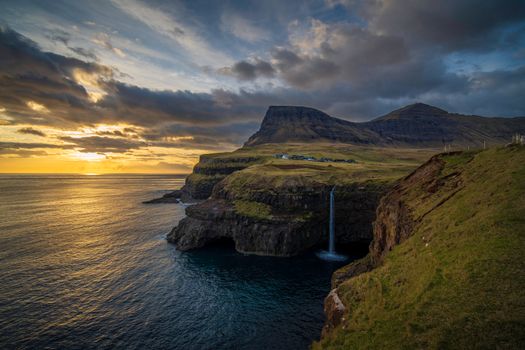
Landscape and fine art photographers often seek the highest possible detail to produce large, gallery-quality prints. Here, high-megapixel cameras like the Nikon Z9 (45.7MP) and Sony A7R IV (61MP) shine.
Example: Renowned landscape photographer Michael Frye uses the Sony A7R IV for its ability to capture rich textures in mountains, forests, and night skies. In one project, Frye produced a 60x40 inch print of Yosemite Valley, with every leaf and rock sharp, thanks to the camera’s 61MP sensor.
But it’s not just about megapixels. Weather sealing, dynamic range, and lens sharpness are equally critical. Still, higher resolution allows for creative cropping and massive prints without perceptible loss of detail.
Fact: According to a 2023 survey of fine art printers, 80% of professional landscape prints over 40 inches wide were shot with cameras of at least 36MP.
Conclusion: For photographers aiming for exhibition-sized prints, more megapixels open up creative and commercial possibilities.
Case Study 5: Sports Photography—Speed Over Resolution
Sports photography is all about capturing the decisive moment—fast, accurate, and often under challenging lighting. Here, high frame rates and lightning-fast autofocus matter more than pixel count.
Most sports photographers choose cameras like the Canon EOS-1D X Mark III (20MP) or Sony A9 II (24MP), which can shoot up to 20 frames per second. Lower megapixel counts allow for faster processing, longer continuous shooting, and quicker file transfer to editors.
Data Snapshot: - At the 2022 FIFA World Cup, Getty Images photographers used mostly 20-24MP cameras, enabling them to transmit images to news outlets within minutes of the action. - A single soccer match can produce over 3,000 images per photographer. At 20MP, that’s about 30GB of data; at 45MP, it would be nearly 70GB.Conclusion: In sports, speed and reliability trump ultra-high resolution, making lower megapixel cameras the professional norm.
Comparing Megapixel Needs Across Professional Genres
To provide a clear overview, the following table summarizes typical professional photography genres and the megapixel counts most commonly used:
| Genre | Typical Megapixel Range | Key Camera Examples | Main Considerations |
|---|---|---|---|
| Photojournalism | 16-24MP | Nikon D5, Canon EOS R6 | Speed, reliability, file size |
| Commercial Studio | 45-150MP | Phase One XF IQ4, Sony A7R V | Maximum detail, large prints |
| Wedding/Event | 20-36MP | Sony A7 III, Canon EOS R6 | Workflow efficiency, storage |
| Landscape/Fine Art | 36-100MP | Nikon Z9, Sony A7R IV | Large prints, creative cropping |
| Sports | 16-24MP | Canon EOS-1D X Mark III, Sony A9 II | Frame rate, file transfer speed |
Final Reflections: Choosing the Right Megapixel Count for Professional Practice
The case studies above make it clear: there is no one-size-fits-all answer when it comes to megapixels in professional photography. The “best” megapixel count depends entirely on the demands of the job, the intended use of the images, and the photographer’s workflow.
Lower megapixel cameras excel in fast-paced environments where speed trumps absolute detail—think sports, news, or events. High-megapixel cameras are invaluable in studios, commercial work, and fine art, where every pixel can make a difference in the final product. For most professionals, finding the right balance of image quality, efficiency, and practicality is key.
Ultimately, the most successful photographers are those who understand the strengths and limitations of their equipment, and use that knowledge to match the right tool to each assignment. Megapixels are just one part of the equation—but knowing when “enough” is enough can make all the difference.